TBRS and DNMT3A Patient Registry
The TBRS Community Patient Registry is a global, longitudinal database of individuals diagnosed with Tatton Brown Rahman Syndrome (TBRS), Heyn Sproul Jackson Syndrome (HESJAS), and other DNMT3A variants. It is hosted in partnership with the National Organization for Rare Disorders (NORD).
Tracks symptoms, diagnoses, and outcomes over time
Supports genotype–phenotype correlation
Identifies patterns across age, gender, and mutation type
Enables research participation and trial readiness
Equips researchers with de-identified data for study
Includes individuals with DNMT3A variant conditions other than TBRS
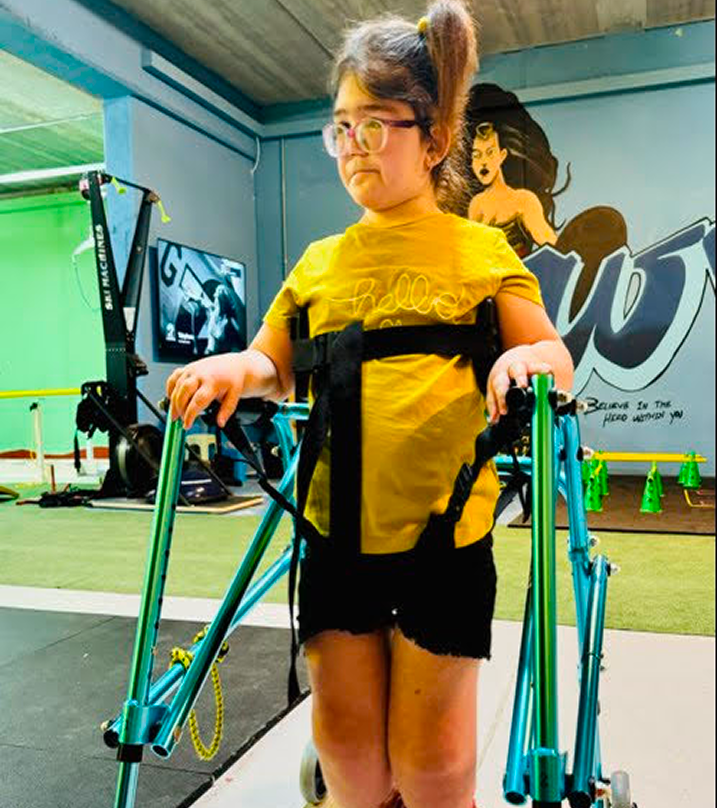
Who Can Join?
Parents and caregivers of individuals with TBRS
Adults with a confirmed TBRS diagnosis or DNMT3A mutation
Clinicians working with TBRS patients
Frequently Asked Questions
Publications span the following topics:
Is this HIPAA-compliant?

Yes. All data, including those with Protected Health Information (PHI) is stored in a password-protected secure server. Access to PHI is be limited to approved members of the TBRS and DNMT3A Patient Registry research team and NORD staff (where technical support is needed, or for IRB-approved cross-disease research using registry data, with approval of TBRS Community). Data shared with researchers is password-protected and will not include any PHI, unless expressly requested and consented for.
What is the purpose of the TBRS and DNMT3A Patient Registry?
The purpose of the TBRS and DNMT3A Patient Registry is to bring together the Tatton Brown Rahman Syndrome (TBRS), Heyn Sproul Jackson Syndrome (HESJAS), and DNMT3A-variant communities to collect data and find similarities or differences among the conditions.
Some of the goals of the TBRS and DNMT3A Patient Registry are:
To describe the clinical and development features of those diagnosed with TBRS, HESJAS, or DNMT3A-related disorders, and to better understand the full spectrum of these conditions.
To understand how TBRS, HESJAS, and DNMT3A-related disorders change over a person’s lifetime, and to learn about clinical practice patterns and variations over the course of clinical management.
To help develop best care practices, management guidelines, and screening recommendations so clinicians are advised on how to give the best care to improve the quality of life and outcomes for people with TBRS, HESJAS, and DNMT3A-related disorders.
To provide opportunities for people with TBRS, HESJAS, and DNMT3A-related disorders to take part in other research studies or clinical trials. Participants are able to choose whether they want to be informed about other studies.
Are the data safe?
The registry follows strict government guidelines to ensure patient information is protected. The platform is served over HTTPS, which means that the data are encrypted when being sent from the user’s browser to the NORD servers. The data are also kept encrypted in the NORD database. Communications between the registry platform application server and the database are also encrypted. As with any information you provide electronically, there is a very rare chance that your privacy could be compromised. However, the registry’s security measures minimize the chance of this occurring.
Who will have access to Protected Health Information (PHI)?
Protected Health Information (PHI) is used to describe any information on medical or health records that could be used to identify an individual. All data, including those with PHI, will be stored in a password-protected secure server. Access to PHI will be limited to:
Approved members of the TBRS and DNMT3A Patient Registry research team
NORD staff in cases where technical support is needed and with the permission of registry staff
With agreement from the Sponsor, NORD may conduct IRB-approved cross-disease research using registry data.
In all cases, your privacy will be protected. The Registry Advisory Board will evaluate all requests for data from researchers. Researchers will only be provided with the minimum data necessary to accomplish their research study goals. Participant name, address, and contact information will be removed from registry data. Data containing PHI will only be shared if the research cannot be done without it. The researchers will be required to sign a Confidentiality Agreement in which they promise to keep your information safe.







© TBRSyndrome.org. This website is not intended for medical diagnostic use, or as a replacement for professional medical consultation. No information or images on this site may be used or reproduced without the written consent of The Tatton Brown Rahman Syndrome Community.