
November 9, 2026
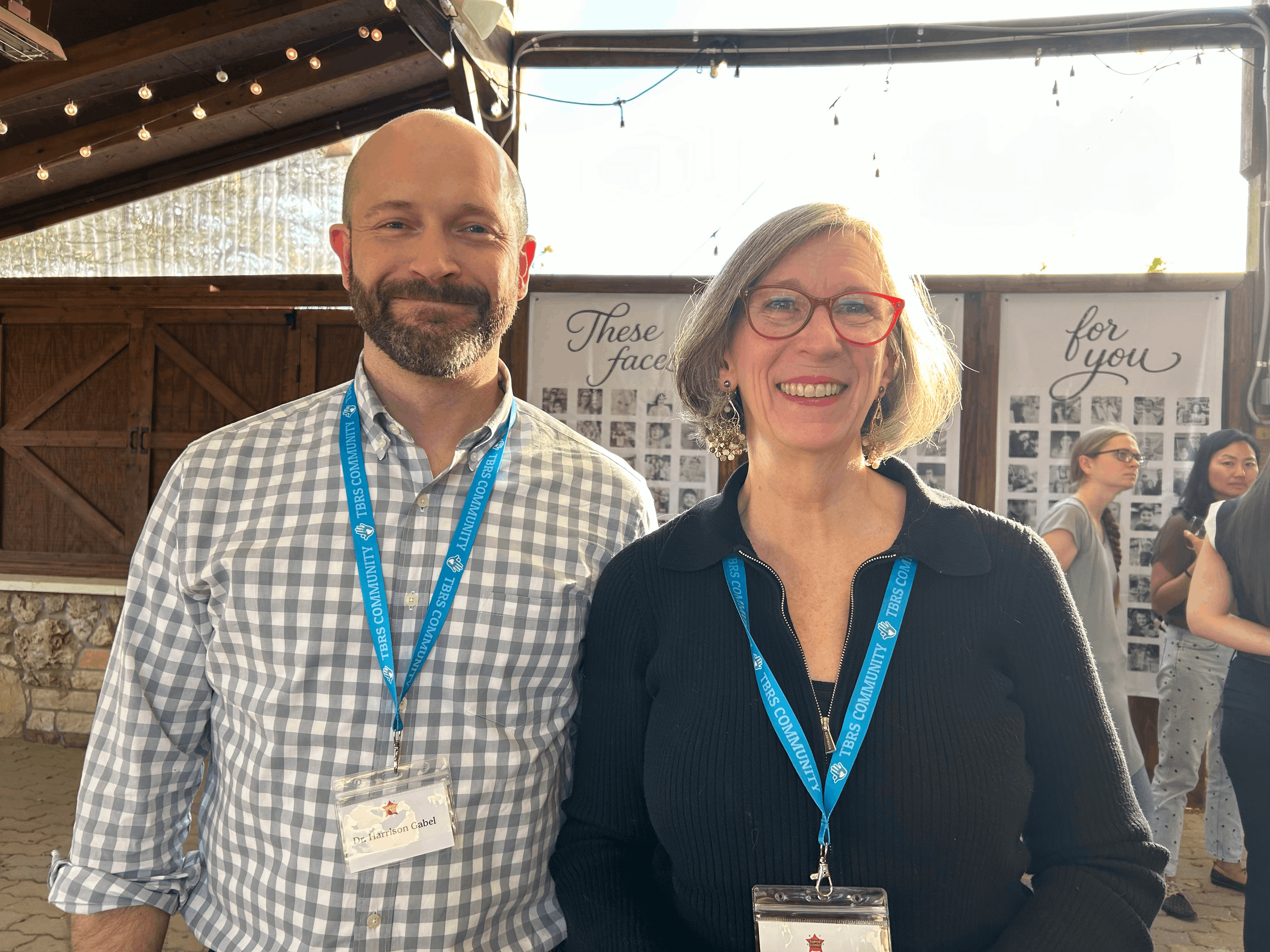
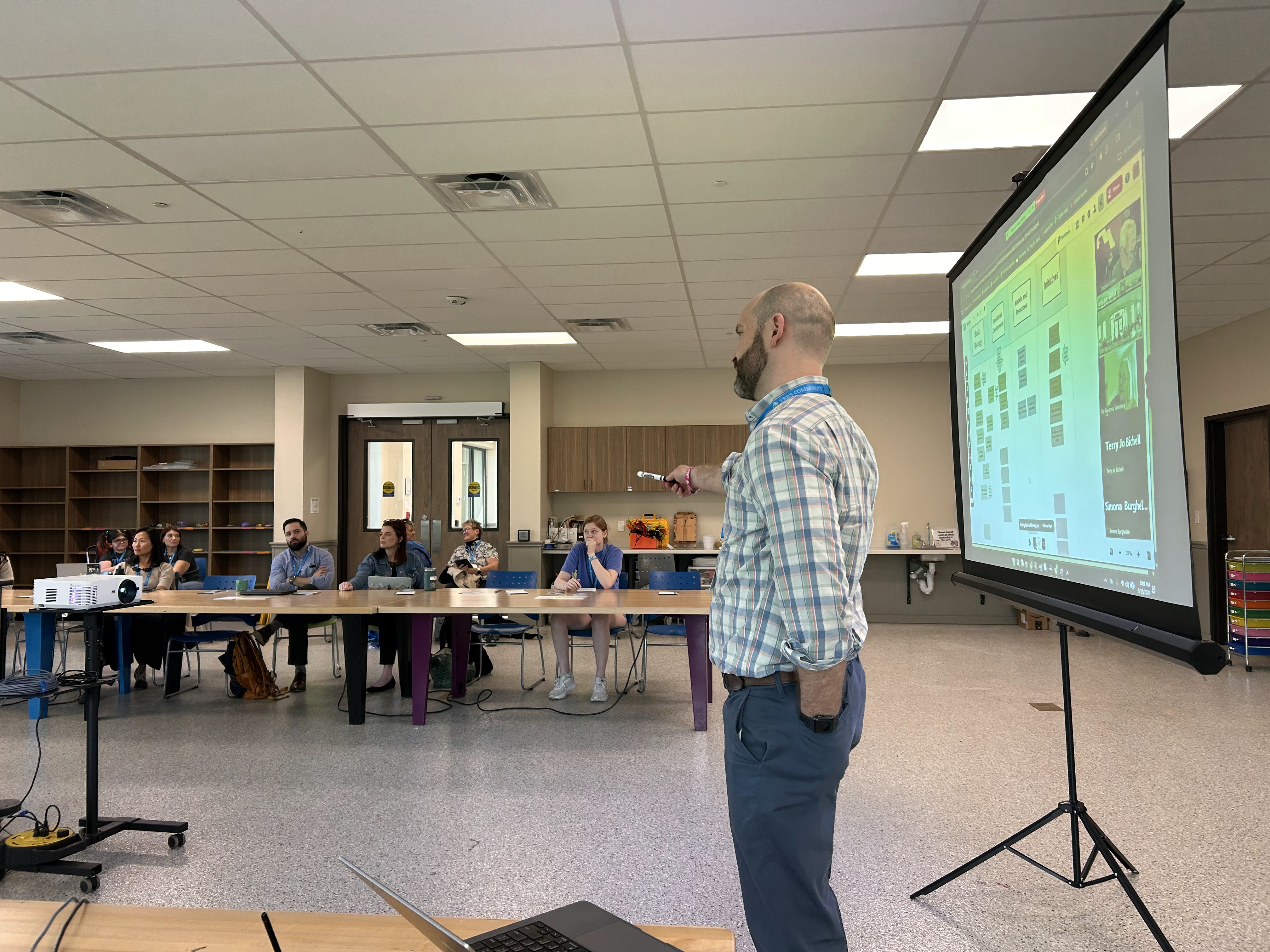
We recently spoke to Dr. Harrison Gabel about how much progress has been made in TBRS research and what still needs to happen before treatments may become available. The research roadmap has three main stages: understanding TBRS, developing potential treatments, and eventually moving promising treatments into clinical trials.
We have made great progress in understanding how TBRS affects people. The Patient Registry helps researchers identify health patterns and learn how the condition changes over time. The Natural History Study, launched in 2026, is another important step. It follows individuals over time to better understand their health and development. Researchers are also studying possible biomarkers—measurable signs that could help track TBRS and show whether a treatment is working. This includes looking at changes in DNA methylation using blood samples from our Biorepository, as well as exploring whether EEG recordings can provide useful information about brain activity.
We have come a long way: from learning the basics of TBRS to building a Patient Registry, publishing research, developing clinical guidelines, launching a Natural History Study, and exploring several possible treatment approaches. We are now working to build the evidence needed to move promising treatments closer to clinical trials. TBRS families often remind us that a treatment does not have to be a cure to make a meaningful difference. Even a small improvement in communication, coordination, focus, or daily activities could have a big impact on quality of life. Every registry update, donated sample, and contribution from families helps make this progress possible. We are not at the clinical trial stage yet, but important work is happening now to help us get there.
Before companies invest in clinical trials, they need biomarkers to prove whether a treatment works. Biomarkers are measurable changes in the body that indicate if a treatment for a condition is successful! Some simple biomarkers might be blood pressure or body temperature. Biomarkers for TBRS might include:
Dr. Gabel outlined two primary strategies for developing targeted treatments:
Biotech companies look for rare disease communities that minimize trial risk. To showcase this for the TBRS Community, we have the following resources and programs:



© TBRSyndrome.org. This website is not intended for medical diagnostic use, or as a replacement for professional medical consultation. No information or images on this site may be used or reproduced without the written consent of The Tatton Brown Rahman Syndrome Community.