Just one update this week, as well as a few reminders:
Virtual Science Day Update
This week, the TBRS Community hosted a Virtual Science Day, bringing together researchers and clinicians from around the world to talk about ongoing TBRS research and future directions.
Scientists shared updates on their current projects and discussed how different areas of research connect to one another.
The focus of the day was on better understanding TBRS and identifying promising pathways that could eventually lead to treatments and improved care.
While much of what was discussed is still in early stages and not yet published, these conversations are an important step in moving TBRS research forward.
This meeting also served as a preview of what’s ahead at the TBRS Summit:
On the Scientific Day of the Summit (before families arrive), researchers will meet again.
They will break into working groups to explore different strategies toward treatments and next steps for TBRS research.
We’re encouraged by the level of collaboration and shared commitment to the TBRS community and look forward to continuing this work at the Summit.
REMINDER: Only 2 Cabins left! - Register TODAY for the 2026 TBRS Super Summit!
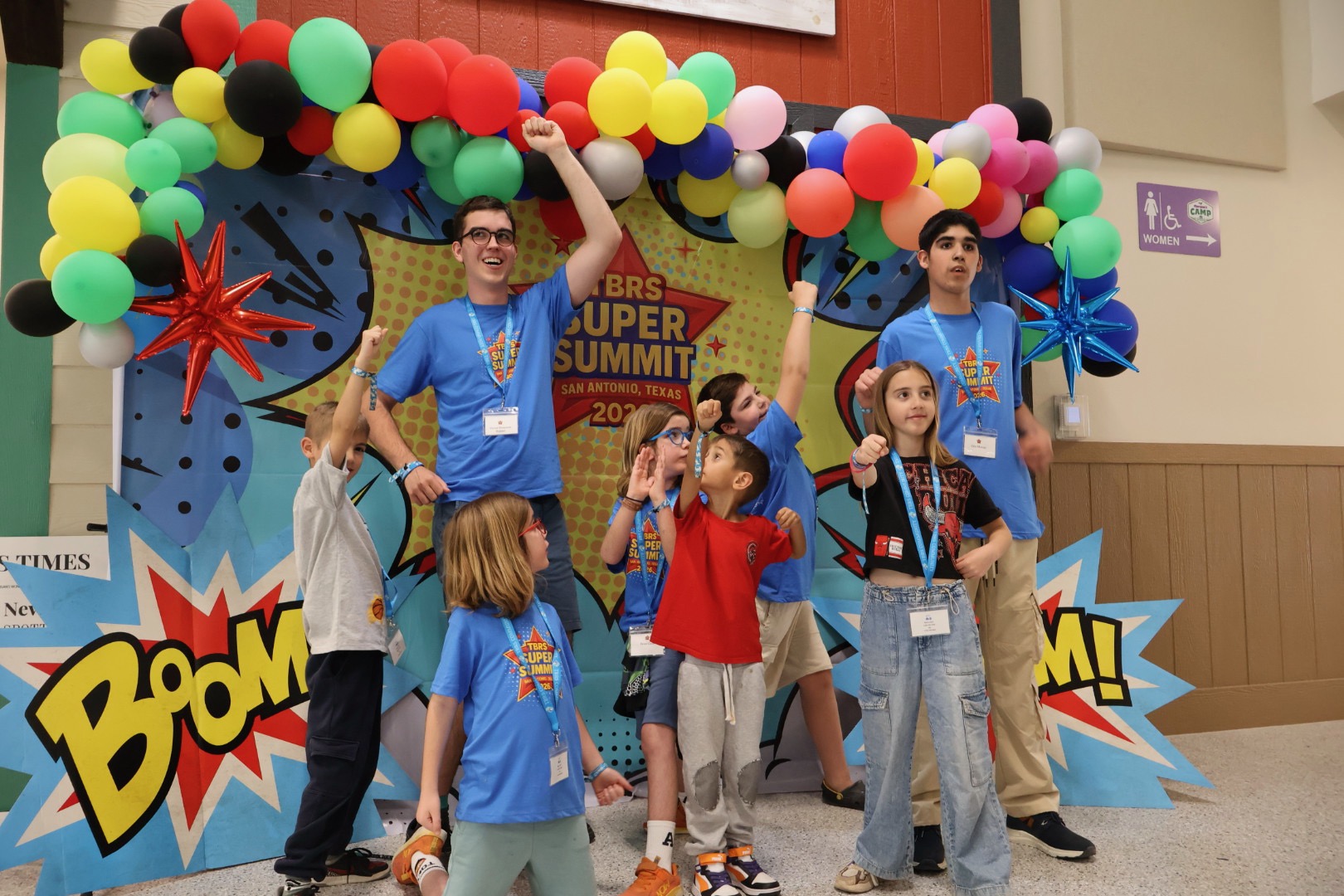
Cabins are quickly being filled for onsite stay at the 2026 TBRS Super Summit! Register today to guarantee your spot.
This year’s event will take place March 19–22 at the beautiful Morgan’s Wonderland Camp in San Antonio, Texas.
The Summit is our biggest gathering of the year, bringing together families, researchers, and clinicians to connect, learn, and work toward the future of TBRS care and research. From expert-led sessions to hands-on activities, it’s a weekend filled with knowledge, support, and lasting friendships.
Both in-person and virtual options are available, so everyone can take part—whether you’re joining us at the camp or tuning in from home.
A researcher is looking for neuropsychiatric, developmental, or school-based evaluations (such as speech, OT, PT, learning, psychological, autism, or ADHD assessments) to evaluate psychiatric symptoms in TBRS.
Sign up to participate in an ongoing, in-person Natural History Study
The TBRS Community and Washington University School of Medicine in St. Louis are launching a new Natural History Study to learn more about how TBRS changes over time.
Dr. Vicken Totten, a parent of a person with TBRS, is conducting a research study about bone health in people with Tatton Brown Rahman syndrome (TBRS).
If your child or loved one has a TBRS diagnosis, you can help by completing a short survey about bone-related concerns such as fractures, pain, or other bone issues.